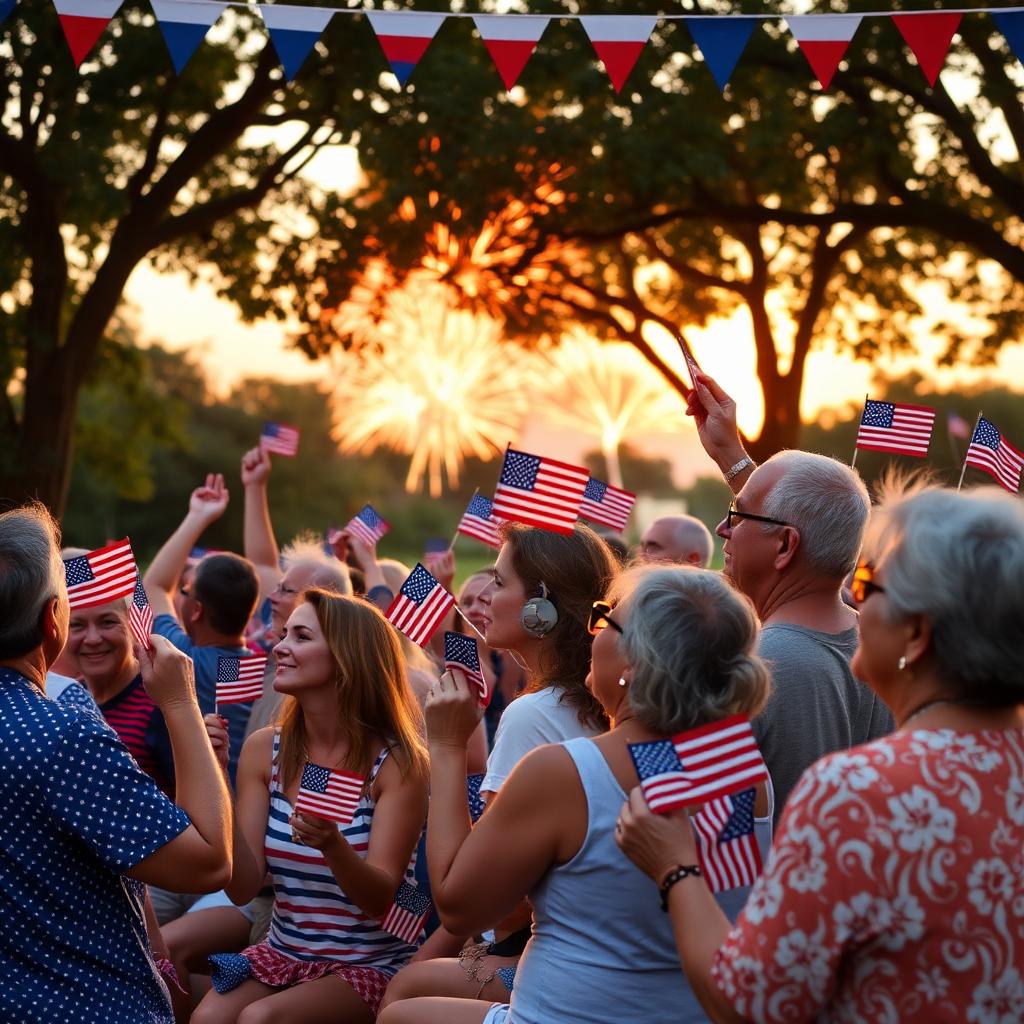
Every year on July 4th, Americans gather for parades, barbecues, and fireworks to celebrate the birth of their nation. But how did this tradition begin? The story of Independence Day stretches back nearly 250 years to a hot Philadelphia summer when a group of bold colonists dared to declare themselves free.
The roots of Independence Day trace to July 4, 1776, when the Continental Congress officially adopted the Declaration of Independence. Drafted primarily by Thomas Jefferson, this revolutionary document declared that the thirteen American colonies were no longer subject to British rule. John Hancock, president of the Congress, famously signed his name in large, bold letters — supposedly so that King George III could read it without his glasses.
The first annual celebration of independence took place on July 4, 1777, in Philadelphia. The festivities included bonfires, bell ringing, and fireworks — traditions that continue today. George Washington himself celebrated the day in 1778 by issuing double rations of rum to his soldiers. By the early 1800s, Independence Day had become a major civic occasion across the young nation.
But the Fourth of July wasn't always a unifying holiday. During the decades before the Civil War, abolitionists used the day to highlight the gap between America's promise of freedom and the reality of slavery. Frederick Douglass famously asked in 1852, 'What, to the American slave, is your 4th of July?' For many, the holiday represented a challenge to fulfill the Declaration's promise that 'all men are created equal.'
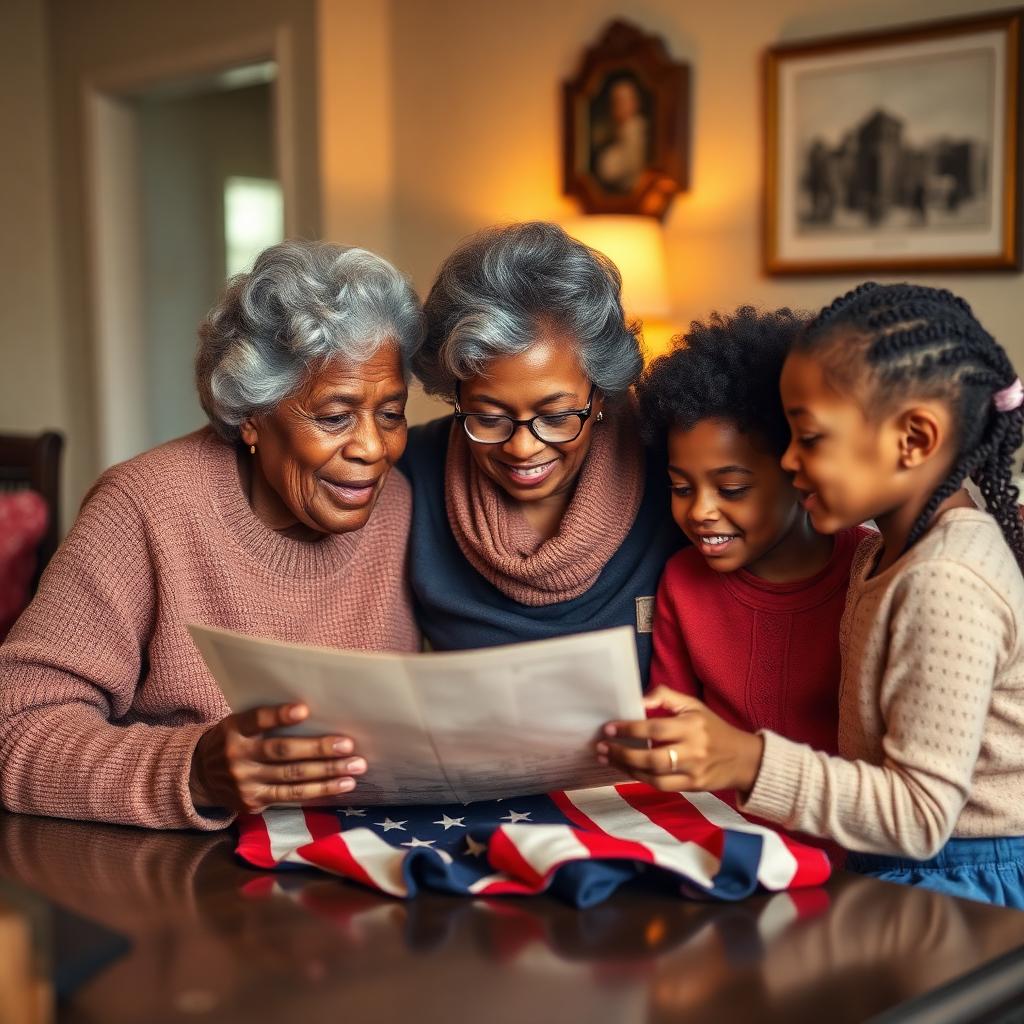
Congress didn't make July 4th a federal holiday until 1870 — nearly a century after the Declaration was signed. By then, the day had already become deeply woven into American culture, with communities large and small marking the occasion with public readings of the Declaration, patriotic music, and communal feasts.
Today, Independence Day remains one of America's most cherished traditions. For seniors, it's often a time to reconnect with family, reflect on the nation's journey, and share stories with younger generations. Many communities host senior-friendly celebrations with shaded seating, accessible viewing areas for fireworks, and historical exhibits that bring the founding era to life.
Whether you're watching fireworks with family and friends, attending a local parade, or simply reflecting on what freedom means to you, Independence Day is a reminder that history lives on in every generation. If you're looking for senior-friendly community events this summer, feel free to reach out — I'd love to help you stay connected.